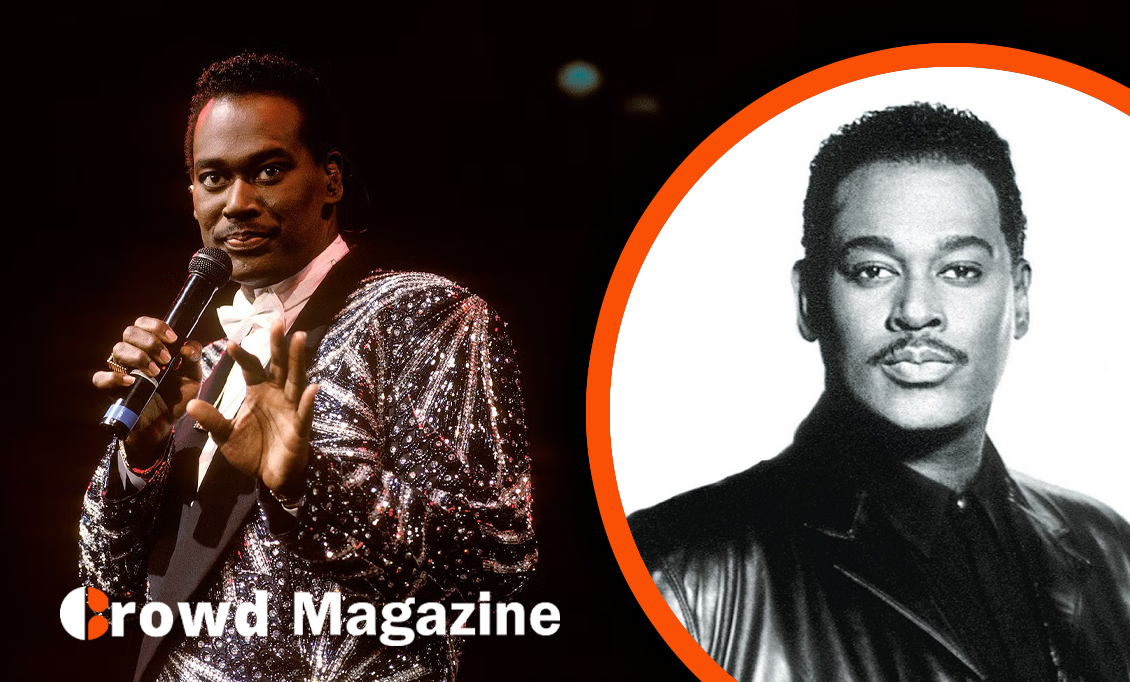
Charles Anthony Vandross, known to the world as Luther Vandross, was one of the most celebrated voices in R&B and soul music. Born on April 20, 1951, in New York City, his early life combined the challenges of growing up in a working-class family with the rich musical culture of Harlem. From an early age, Vandross displayed extraordinary musical talent, learning piano by ear and performing in school choirs. His father passed away when he was just eight, leaving a lasting impact on his emotional depth and artistic expression. Despite these hardships, Vandross nurtured a passion for music that would define his life. He began forming vocal groups and performing locally, setting the stage for a future in music. This foundation in New York shaped the man and artist who would later captivate millions.
Quick Bio: Charles Anthony Vandross
| Category | Details |
|---|---|
| Full Name | Charles Anthony Vandross |
| Stage Name | Luther Vandross |
| Date of Birth | April 20, 1951 |
| Place of Birth | New York City, New York, USA |
| Parents | Luther Vandross Sr. (father), Mary Ida Vandross (mother) |
| Siblings | At least one brother (Richard Vandross) |
| Early Life | Grew up in Harlem; learned piano by ear; sang in school choirs; exposed to gospel, soul, and R&B |
| Career Start | Background vocalist for major artists; lead on “The Glow of Love” with Change (1980) |
| Solo Debut | Never Too Much (1981) — title track topped R&B charts |
| Notable Songs | “Never Too Much,” “Here and Now,” “Dance With My Father,” “Power of Love/Love Power” |
| Albums | Never Too Much, Busy Body, Give Me the Reason, Dance With My Father, and more |
| Awards | 8 Grammy Awards, multiple American Music Awards, and critical acclaim |
| Marital Status | Married Yolanda Simmons (1987) |
| Children | One son, Justin Vandross |
| Height | Approximately 6 ft 3 in (191 cm) |
| Health | Struggled with diabetes, hypertension; suffered severe stroke in 2003 |
| Date of Death | July 1, 2005 |
| Age at Death | 54 years |
| Net Worth at Death | Estimated around $40 million from album sales, tours, publishing rights, and royalties |
| Posthumous Estate Value | Around $25–30 million from ongoing royalties and music catalog earnings |
| Legacy | Influenced generations of R&B artists; music remains timeless and widely celebrated |
Early Life in New York
Vandross’s upbringing in New York City exposed him to a vibrant mix of cultural influences that would shape his musical identity. He grew up in a household that valued music, learning from his mother, Mary Ida Vandross, after his father’s early death. The city’s gospel, soul, and R&B sounds surrounded him, while performances at local venues and school choirs gave him a stage to develop his craft. Harlem, in particular, played a key role in refining his vocal abilities, with its rich musical traditions and community support. Early friendships and collaborations with other young musicians encouraged him to pursue music seriously. Vandross also experimented with piano and harmony arrangements, gaining skills that would later define his signature sound. These early experiences in New York laid a solid foundation for a career in music.
Discovering His Musical Talent
Before becoming a solo star, Vandross honed his voice as a background vocalist for some of the biggest names in the music industry. He lent his talent to artists such as David Bowie, Chaka Khan, Bette Midler, and Donna Summer, learning the intricacies of studio production along the way. This period gave him both technical expertise and confidence as a performer, allowing him to develop his own musical identity. He also formed vocal groups and performed in local clubs, gaining valuable stage experience. Vandross’s smooth tenor voice stood out, catching the attention of producers and record labels. By blending precise technique with heartfelt emotion, he cultivated a sound that was uniquely his own. These formative years prepared him to step into the spotlight as a solo artist.
Rise to Stardom
Vandross’s breakthrough came in 1980 when he sang lead vocals for the track “The Glow of Love” with the group Change, attracting critical attention for his emotive style. In 1981, his debut solo album, Never Too Much, was released, featuring the title track that topped the R&B charts and became an instant classic. This album showcased his signature combination of smooth vocals, heartfelt lyrics, and lush arrangements, setting him apart from other contemporary artists. Its success earned him multi-platinum status and positioned him as a rising star in the music world. Vandross quickly became known for his ability to convey emotion with subtlety and grace. Fans appreciated his sincerity, while critics praised his technical skill. This period marked the beginning of a career that would span decades.
Career Highlights and Achievements
Over his career, Charles Anthony Vandross became synonymous with romantic soul music, producing countless hits that remain timeless. Songs like “Here and Now,” “Dance with My Father,” and “Power of Love/Love Power” earned widespread acclaim for their emotional resonance and vocal mastery. Vandross won eight Grammy Awards and received numerous other accolades, solidifying his place in music history. His 2003 album, Dance With My Father, won Song of the Year, highlighting the deeply personal nature of his songwriting. Over 40 million records sold worldwide attest to his enduring popularity and influence. Vandross’s music blended technical precision with heartfelt storytelling, inspiring generations of artists. His ability to convey vulnerability while maintaining elegance defined his career.
Personal Life
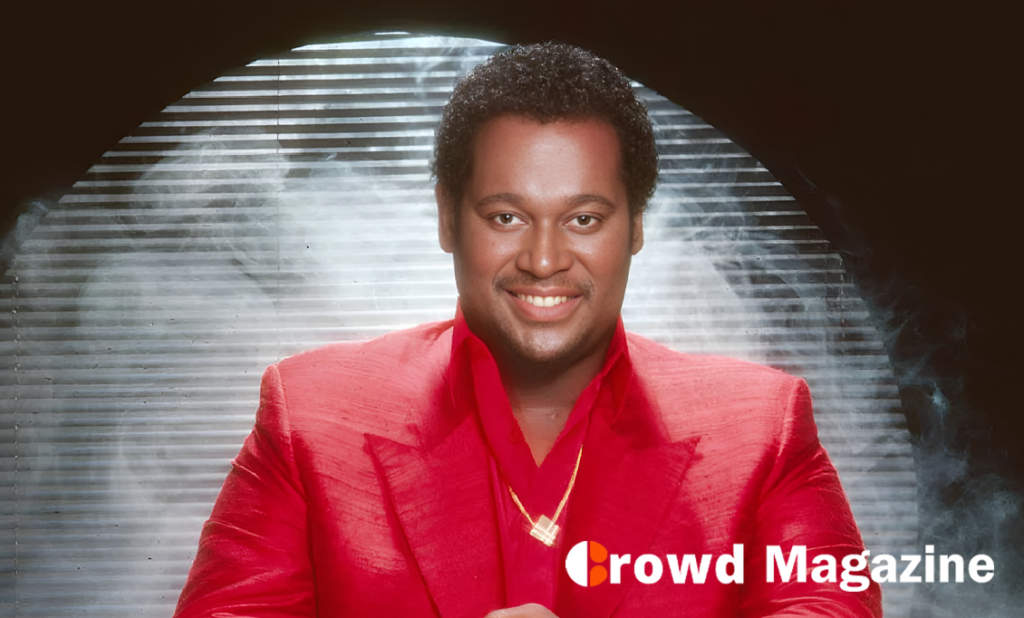
Despite his fame, Vandross was intensely private, choosing to let his music speak for him rather than seeking attention off stage. He married Yolanda Simmons in 1987, and the couple had a son, Justin, with whom Vandross shared a close bond. Friends and family describe him as humble, generous, and deeply loyal, traits reflected in both his music and his personal relationships. Health challenges, including diabetes, hypertension, and obesity, complicated his later years and affected his performances. In 2003, Vandross suffered a severe stroke that left him in a coma for nearly two months, diminishing his ability to sing. He passed away on July 1, 2005, at the age of 54, leaving behind a legacy of music and inspiration. His personal life, though private, was marked by love, resilience, and dedication.
Legacy
The legacy of Charles Anthony Vandross extends far beyond his chart-topping hits. He influenced generations of R&B and soul artists through his vocal mastery, songwriting, and emotive performances. His recordings continue to be celebrated worldwide for their timelessness and technical brilliance. Vandross demonstrated that music could communicate vulnerability, intimacy, and sophistication simultaneously. Artists cite him as a benchmark for expressive performance and melodic precision, showing how his work shaped contemporary music. Even decades after his passing, his influence remains visible in modern R&B, inspiring new musicians to pursue authenticity and emotional connection. Vandross’s artistry is a testament to the enduring power of music to touch hearts.
Why His Music Still Resonates
Charles Anthony Vandross’s songs continue to resonate because they reflect universal emotions with authenticity and nuance. His music explores themes of love, loss, longing, and joy, creating a deep emotional connection with listeners. Vandross’s voice feels personal, as if he is singing directly to each individual, giving his music an enduring intimacy. His influence on contemporary R&B and soul is evident in how artists prioritize emotional honesty and vocal expression. Beyond technical skill, Vandross’s humanity shines through in every note, inspiring fans to embrace emotion and vulnerability. His songs remain staples on playlists and radio stations worldwide, illustrating the timeless appeal of his artistry. Vandross’s music reminds us that true talent endures.
Also Read: Behind the Scenes with Jovan Arriaga: Life Beyond the Spotlight
Conclusion
Charles Anthony Vandross rose from humble beginnings in New York City to become one of the most celebrated voices in modern music. His journey reflects resilience, artistry, and an unwavering dedication to his craft. Through hits like Never Too Much and Dance With My Father, Vandross created music that transcends time, continues to influence artists, and resonates deeply with fans. His private nature, personal struggles, and incredible talent combine to tell the story of a man whose voice became a symbol of emotional depth. Charles Anthony Vandross’s legacy is enduring, proving that music shaped with heart and sincerity can leave a lasting mark on the world.
FAQs
1: Who was Charles Anthony Vandross?
Charles Anthony Vandross, widely known as Luther Vandross, was a legendary American singer, songwriter, and producer, famous for his smooth tenor voice and timeless R&B hits.
2: What are some of his most popular songs?
Some of Vandross’s most beloved songs include Never Too Much, Here and Now, and Dance With My Father, each celebrated for its emotional depth and vocal excellence.
3: Where was Vandross born and raised?
He was born and raised in New York City, where the rich musical culture of Harlem played a key role in shaping his early love for music.
4: Did Charles Anthony Vandross receive awards for his music?
Yes, he won eight Grammy Awards and received numerous other accolades throughout his career, recognizing his influence on R&B and soul music.
5: What is his lasting legacy?
Vandross’s legacy lies in his emotive voice, timeless songs, and influence on generations of R&B artists. His music continues to touch hearts worldwide.